

World leaders have reacted with a mix of condemnation, concern, cautious support and urgent calls for de‑escalation after the United States and Israel launched coordinated military strikes against Iran. The international response underscores widespread fears that the conflict could spiral into a broader regional war.
United Nations and Global Institutions Call for Restraint
The United Nations held an emergency Security Council meeting, where Secretary‑General António Guterres criticized both the strikes and Iran’s retaliatory attacks, warning that escalating violence “undermines international peace and security.” Member states were urged to exercise restraint and pursue diplomacy, with no binding resolution reached.
The European Union’s leadership described the situation as “greatly concerning,” emphasizing protection of civilians and respect for international law. EU officials called for an immediate halt to hostilities and a return to the negotiating table.
Western Governments Call for De‑Escalation
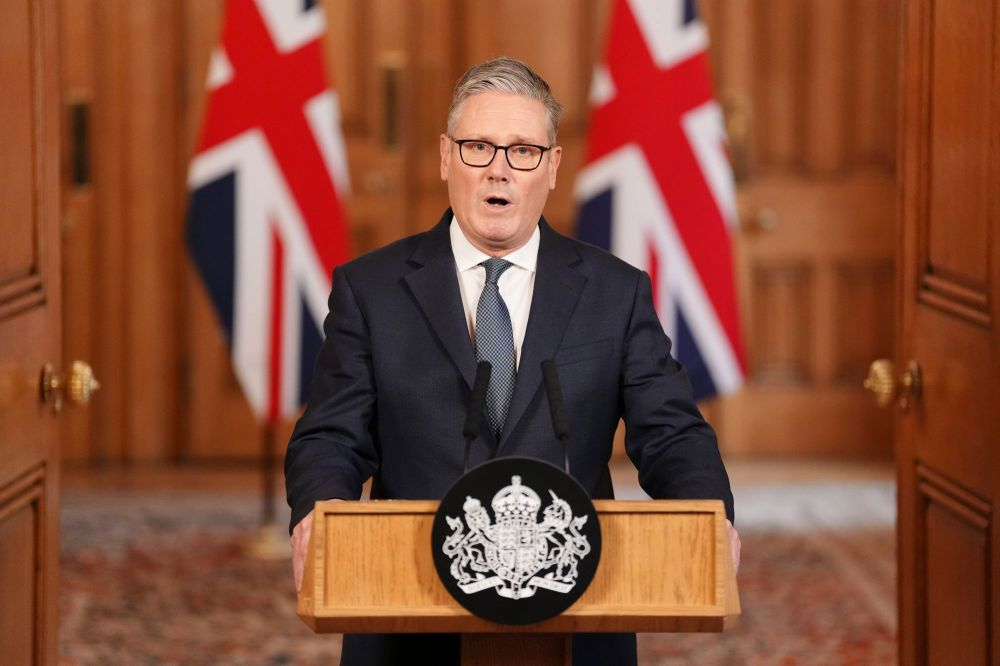
Leaders of France, Germany and the United Kingdom reaffirmed their opposition to Iran’s destabilizing actions but stopped short of endorsing the strikes, stressing the importance of diplomacy. They urged all parties to resume negotiations and avoid further escalation.
Condemnation from Russia and China
Vladimir Putin’s government strongly condemned the US‑Israel strikes as a “preplanned and unprovoked act of armed aggression,” accusing Washington and Tel Aviv of undermining international law and demanding an immediate halt to military operations.
China’s foreign ministry also criticized the strikes, insisting that Iran’s sovereignty and territorial integrity be respected and calling for an end to hostilities.
Middle East and Regional Allies
Several Gulf Cooperation Council countries, including Qatar, the UAE, Bahrain, Kuwait and Saudi Arabia, condemned Iranian retaliation for violating their sovereignty and urged restraint. Oman, which had been involved in mediation efforts, called for an immediate ceasefire and emergency diplomatic talks.
Meanwhile, Turkey cautioned that the US‑Israel attacks have dangerously escalated tensions and could threaten regional stability.
Mixed Support and Political Responses
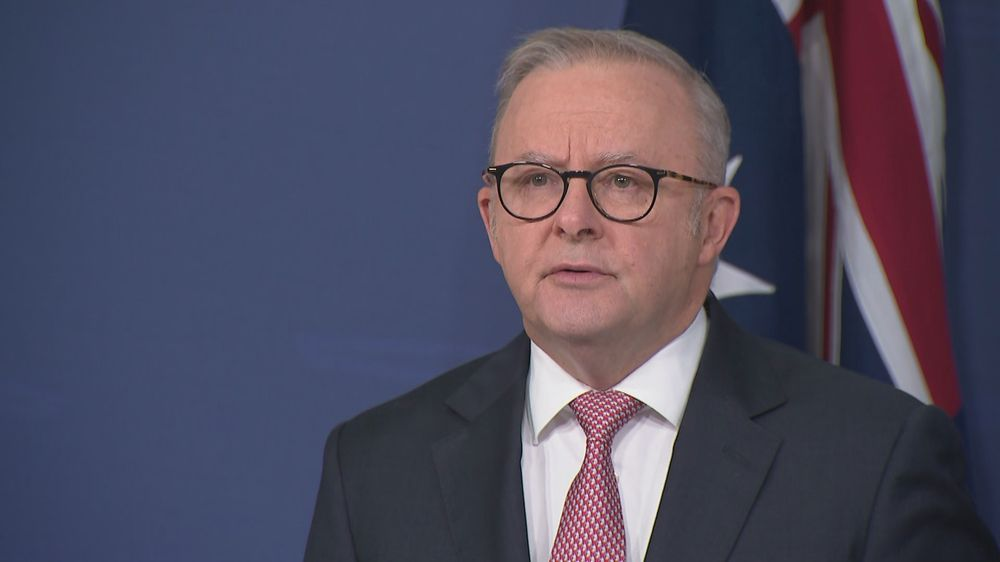
Australia’s prime minister expressed support for US efforts to prevent a nuclear‑armed Iran, while Canada signaled backing for actions aimed at stabilizing the region.
In Israel, opposition leader Yair Lapid publicly supported the military campaign, calling for regime change in Iran and national unity amid the conflict.
Global Reaction: A Conflict That Divides Opinion
- Calls for Diplomacy: Many Western and non‑aligned nations stressed that military action must be followed by urgent negotiations to avoid a full‑scale regional war.
- Condemnations: Major powers like Russia and China sharply criticized the strikes, citing violations of international law and potential for further instability.
- Supportive Voices: Some nations expressed support for deterrence of nuclear escalation and threats posed by Iran’s policies.
Summary: As retaliatory strikes and military tensions spread across the Middle East following the US‑Israel offensive, world leaders are urging restraint, diplomacy and a return to negotiations — even as geopolitical divides deepen and fears of broader conflict grow.